

How Usability and Design Shape the Way a Platform Feels to Use
The way a platform looks is only part of the experience. What often matters more is how quickly the layout makes sense, how easily the user understands where to go next, and whether the overall structure feels comfortable to continue using. A platform may offer many features, but if the design feels crowded, disjointed, or difficult to scan, that experience can become tiring much faster than expected.
Usability and design influence much more than appearance alone. They affect browsing confidence, perceived speed, visual comfort, and the ease with which users move from one area to another. When a platform is designed with clarity and structure, it usually feels more manageable, more consistent, and easier to trust from the very beginning.
Why This Matters More Than Visual Style Alone
Good design is not just about making a platform look modern. It is about making the experience easier to understand, easier to navigate, and easier to stay with over time. Users often form an opinion before they have explored very much at all. They notice whether the lobby feels organised, whether important areas are easy to recognise, whether actions feel predictable, and whether the layout creates confidence or hesitation.
This is why usability matters so much. A platform can appear polished on the surface but still feel difficult to use if too many things compete for attention at the same time. In contrast, a cleaner and more structured environment often feels better not because it is simpler in a basic way, but because it reduces unnecessary mental effort.
When usability is handled well, the platform feels more intuitive. Users spend less time figuring out what the design is trying to say and more time understanding the flow naturally. That can make the experience feel calmer, faster, and more approachable even before any deeper interaction happens.
The Usability Signals People Notice First

Interface Clarity
One of the first things users notice is whether the screen feels readable or crowded. When the main areas are easy to distinguish, the platform immediately feels more approachable. When too many elements compete for attention, clarity begins to drop.

Lobby Organisation
A well-structured lobby helps users understand what the platform contains without making them work too hard. Clear grouping, consistent spacing, and recognisable categories all help reduce friction in the first few moments of use.

Navigation Confidence
Users feel more comfortable when the next step feels obvious. Navigation that is too hidden, too scattered, or too inconsistent can make the experience feel uncertain, even if all the needed functions are technically present.

Speed Perception
A platform does not only feel fast because of technical performance. It also feels fast when screens are organised well, actions are easy to locate, and the interface does not create delays through confusion or overload.
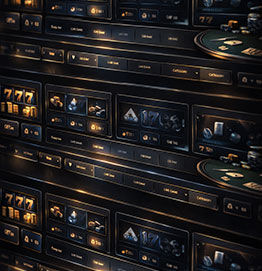
Layout Consistency
When layouts behave consistently from one section to another, users learn the platform more quickly. Repetition in structure builds familiarity, and familiarity reduces hesitation.

Visual Comfort
A design that feels balanced is often easier to stay with for longer. Spacing, contrast, hierarchy, and control over visual density all shape whether the platform feels smooth to browse or mentally tiring.

Why Good Design Often Feels Effortless Before Users Even Notice It
Many of the strongest design decisions do not announce themselves directly. Users may not stop and describe the spacing, the hierarchy, or the way sections are arranged, but they still feel the effect of those choices. Good usability often works quietly. It lowers friction, improves recognition, and helps the experience feel smooth without demanding attention for itself.
This is one reason some platforms feel easier to continue using than others. The user may not consciously analyse the structure, but they recognise that the environment makes sense. They know where to look, what feels primary, and how to move forward without too much uncertainty. That sense of ease matters because it shapes confidence before any strong opinion has even formed.
When design works well, it supports the user without creating extra mental pressure. It reduces the number of small interruptions that break concentration. It also helps the platform feel more reliable because the structure behaves in a way that feels stable and consistent. In many cases, this kind of usability influences trust long before the user ever thinks about trust in a direct way.
Explore Key Usability and Design Questions
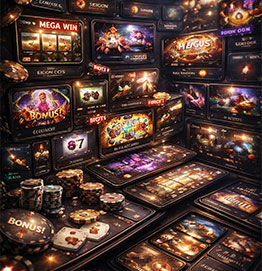
Why Interface Clutter Hurts Retention
When too many panels, icons, colours, and competing messages appear at once, the platform can begin to feel mentally heavy. Clutter does not always look dramatic, but it often increases effort in small ways that make users less comfortable staying engaged.

Why Some Lobbies Feel Overwhelming
Not every large platform feels difficult to use. The difference often lies in how the lobby is arranged. Some lobbies feel manageable because they guide attention well, while others feel overwhelming because too many categories and entry points compete at the same time.
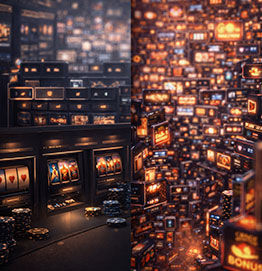
Clear vs Busy Platform Layouts
The contrast between a clear layout and a busy one is not only visual. It affects how quickly users understand the page, how easily they can scan options, and whether the design helps them move naturally or slows them down.

How Navigation Affects Player Confidence
Navigation shapes more than movement. It shapes certainty. When users always know where they are, where to go next, and how to return to familiar sections, the platform tends to feel more stable and easier to trust.

Why Some Platforms Feel Faster
Perceived speed is influenced by more than loading time alone. A platform can feel faster when the design reduces hesitation, keeps actions visible, and avoids visual patterns that make users stop too often to re-orient themselves.

How Design Changes Player Perception
Design influences first impressions, expectations, and the way users interpret the overall quality of a platform. Even before deeper features are explored, structure and presentation begin shaping how the experience is judged.
What Makes a Platform Feel Easy to Use — and What Makes It Feel Mentally Heavy
A platform usually feels easier to use when its structure helps users focus on one thing at a time. Clear hierarchy, controlled visual flow, and familiar placement of key elements all help create that effect. The layout does not need to be plain. It simply needs to make sense quickly.
A mentally heavy platform often creates the opposite experience. Too many competing signals, unclear grouping, inconsistent spacing, and weak prioritisation can all make the design feel harder to process. Even when the user cannot explain exactly what feels wrong, the effect still shows up in hesitation, scanning fatigue, and reduced confidence.
The difference often comes down to how much work the interface asks the user to do. A strong design reduces unnecessary effort. A weaker one keeps asking for more interpretation than it should.
Clear Hierarchy vs Competing Elements
When important areas stand out naturally, the platform becomes easier to scan. When everything tries to stand out at once, the design loses direction.
Guided Navigation vs Scattered Access Points
A guided flow helps users move with less uncertainty. Scattered navigation can make even simple actions feel less comfortable.
Consistent Layout vs Unpredictable Structure
Consistency helps users learn the environment quickly. Unpredictable changes from one area to another slow that learning down.
Fast Perception vs Slowed Perception
A platform feels faster when users know what to do immediately. Confusion often creates the opposite impression, even before performance is judged technically.
Focused Design vs Attention Overload
Focused design helps users settle into the experience. Overload creates mental friction and makes longer browsing feel more tiring.
How Users Experience Design in Real Browsing Situations
When a Platform Feels Too Crowded
A crowded platform usually creates the feeling that too much is happening at once. Users may see many choices, but not enough structure. This can make the interface feel demanding rather than helpful. In many cases, the problem is not the number of features. It is the lack of visual control in how those features are presented.
When Navigation Feels Uncertain
Navigation becomes uncomfortable when users have to stop and think too often about where to go next. Small moments of uncertainty add up. The more often this happens, the less natural the browsing experience feels.
When the Layout Feels Easier to Learn
A platform becomes easier to learn when sections follow recognisable patterns. Repetition in placement, grouping, and interaction gives users a sense of familiarity, even when they are still new to the environment. This lowers effort and helps confidence build more quickly.
When Speed Feels Better Before Anything Actually Loads Faster
Perceived speed is often shaped by design cues. When actions are visible, structure is efficient, and the next step feels obvious, the platform may feel smoother even without any major technical difference. Ease of movement plays a strong role in perceived responsiveness.
When Design Increases Trust Without Saying Anything
Trust is not created only through written claims. It is also shaped by how stable, readable, and coherent the platform feels. A structured design suggests care, consistency, and control. That can make the experience feel more dependable before the user has explored deeper details.
Continue Exploring Usability and Design Insights
Why Interface Clutter Hurts Retention
Understand how excessive visual competition increases effort, disrupts focus, and affects how long users feel comfortable staying engaged.
How Navigation Affects Player Confidence
Explore why structured movement, recognisable paths, and predictable layout logic can make a platform feel more reliable.
Why Some Platforms Feel Faster
See how usability, visual hierarchy, and reduced friction influence the way speed is experienced from the user’s point of view.
Good Platform Design Often Earns Trust Through Ease, Not Noise
The strongest platform experiences are not always the loudest or the most visually aggressive. In many cases, what leaves the better impression is a design that feels organised, readable, and easy to continue using. When users do not have to struggle to understand the structure, confidence builds more naturally.
Usability and design matter because they shape the quality of the experience before the user has fully explored anything else. A platform that feels clear and manageable often creates a stronger impression than one that simply tries to show more. Over time, that difference becomes meaningful. Ease is remembered, and good structure often speaks more clearly than visual intensity ever can.